
The importance of a whitebranded booking engine
Why your booking engine should be whitebranded On many modern hotel websites, the process of going from the main website to the booking engine page is far from ...
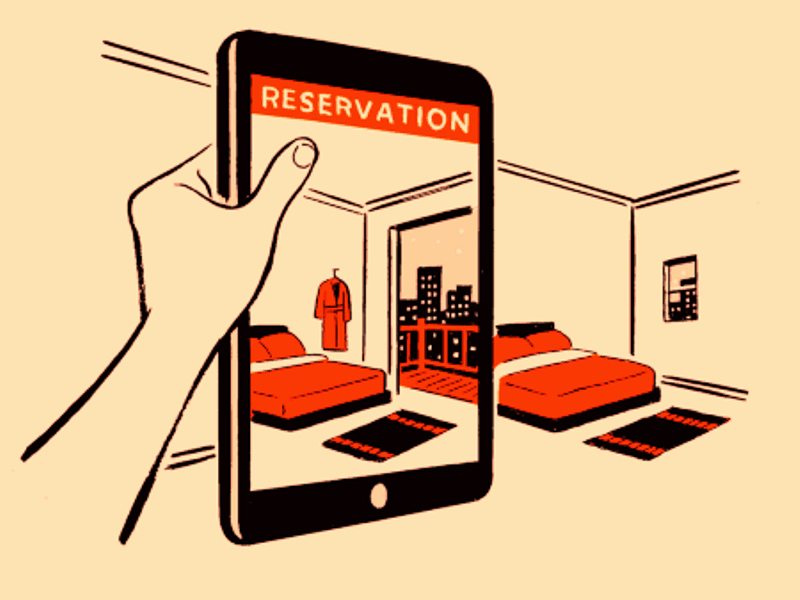
Why your booking engine should be whitebranded
On many modern hotel websites, the process of going from the main website to the booking engine page is far from seamless. The booking engine often looks like a completely different website, which is less than reassuring for the prospective customer who may find themselves questioning whether they are making a booking for the same hotel. Considering they are being asked to part with money at this stage, for them to have even the slightest impression that the booking is being handled by a third party rather than the hotel itself can lead to lost sales. This is why having a whitebranded booking engine is extremely important, as hotel websites should endeavour to provide the user with a consistent browsing experience from start to finish; the booking engine should be no exception to this rule. Most of the booking engines on the market offer some customisation, but this is usually limited to uploading an image or logo and possibly changing the colours to fit the website’s general branding. The basic structure of the booking engine page remains the same for every hotel, to the point where it is actually possible, after a while, to recognise the booking software being used on a given hotel website just by looking at the booking page.
BookitWith
Recognising this, umi Digital has recently gone through the process of upgrading its own booking engine software, Book it With, to be completely customisable, making it possible for hotels and other accommodation providers to present a completely seamless booking process to the prospective customers visiting their websites. As well as being able to upload an image or logo as per the competition, Book it With also includes a full theming engine which enables clients to design and structure the booking pages exactly how they wish using HTML, Javascript and CSS, thereby offering the possibility of creating a “skin” that completely matches the main website. In addition, Book it With offers the option to embed the booking engine inside an iFrame, much in the same way as Facebook and Twitter currently allow people to embed social streams with minimal fuss. By simply copying and pasting a few lines of code onto the main hotel website, it is possible to quickly integrate the booking engine onto an existing page within the main website without even creating a theme. The look and feel of the iFrame is easily customisable to match the surrounding website using an easy-to-use visual editor. Whichever option a hotel uses, the end result is a totally seamless and consistent user experience for the website visitor, a more professional feel all-round which in turn increases buyer confidence, and most importantly of all increases the likelihood of a prospective customer turning into a paying one. Clickhereto find out more about BookitWith.
Why hospitality businesses need connected agencies, not channel suppliers
The agency model separates disciplines because it is easier to package and sell them that way. Hospitality does not work like that, and the gaps between the packages are where performance goes.
18 Aug 2026 · 7 min read
The website is not the guest journey — but it may be where the journey breaks
A hotel website is one moment in a much longer relationship. That is exactly why it carries so much load, and why the failures there are so expensive.
21 Jul 2026 · 6 min read
Why AI in hospitality depends on business context
Generic AI produces generic answers. The interesting work starts when the system understands the guest, the journey, the commercial model and the constraints the team actually operates under.
23 Jun 2026 · 7 min read